12-Inch Single vs Extended Mix
A 12-inch single is a record format, while "extended mix," "dub mix," and "remix" are version labels that tell you how a track was changed for club play.
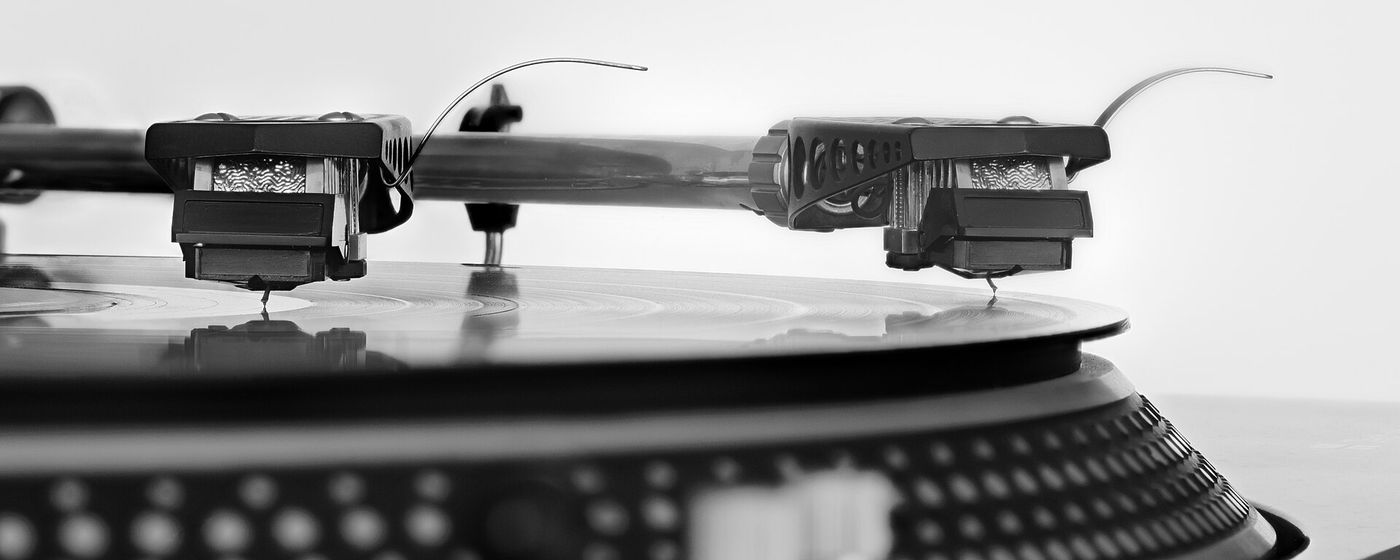
A 12-inch single is a record format, while "extended mix," "dub mix," and "remix" are version labels that tell you how a track was changed for club play.
What a 12-Inch Single Is
The term "12-inch single" refers to the physical size of a vinyl record, which is 12 inches in diameter. Typically, a 12" record holds around 15 minutes of audio per side, with a cutoff of about 10 minutes per side preferred for a nice loud sound. The standard playback speed for 12-inch singles is 45 revolutions per minute. This is faster than the 33 1/3 rpm of an LP record.
To identify a 12-inch single, look at the format or speed information on the release. A 12" notation and "45 rpm" speed both signal a DJ-oriented 12-inch single over a 12" album. Note that a single or maxi-single within the 12" format can still include a variety of different mix versions.
What the Mix Labels Mean
The mix labels "extended," "dub," and "remix" describe how the audio was changed in the track.
An extended mix is a longer version of a song with more bars at the beginning and end. This allows DJs to smoothly transition into and out of the track. The extended mix is longer than a traditional album edit, with more bars for smoother blending between tracks at clubs.
A dub mix reduces or removes the vocals and pushes the drums and rhythm forward. The vocal track is stripped back or removed, with rhythm elements emphasized.
A remix is a completely new production using someone else's song as a base. It is usually arranged into a different song format, a different genre, and a different tempo. Remixing was particularly popular in the 1980s with the rise of club music.
How to Read a Label or Tracklist
When looking at a record label or track listing, you can identify the mix by the words in the track title and the shell of the record.
- "Extended Mix" An extended mix is usually noted with the word "extended."
- "Remix" The remix is a new production, so it is marked as a remix
Other common version notations include: long, extended, instrumental, dub, radio, or club mix.
Why Versions Sound Different
Extended, dub, and remix versions sound different than a studio version because different parts of the song are emphasized.
The extended mix focuses on lengthening the song with more bars at the beginning and end. This allows DJs to spin the track without dropping the song. The longer length also gives more room for a song to shake and groove.
For a dub mix, the vocals are stripped back or completely removed. This reduces the studio mix to a drum track with lots of studio tricks and techniques to create an ambient and atmospheric space. This rhythm-focused soundscape is made for DJs to mix between.
A remix has the biggest difference in sound. Sometimes completely rearranged or revisited altogether, the remix gets a completely new style, tempo, and energy. Clubs and radio often play remixes as they offer fresh versions of popular songs.
What the Reader Should Check First
The listing likely includes a variety of mixes.
"Extended" means elongated or lengthened.