Synthesizers Behind the 80s Sound
The 1980s are known for their signature sound: bright, bell-like textures, punchy basslines, and lush pads. But where did this sonic palette come from? The most widely documented culprit is…
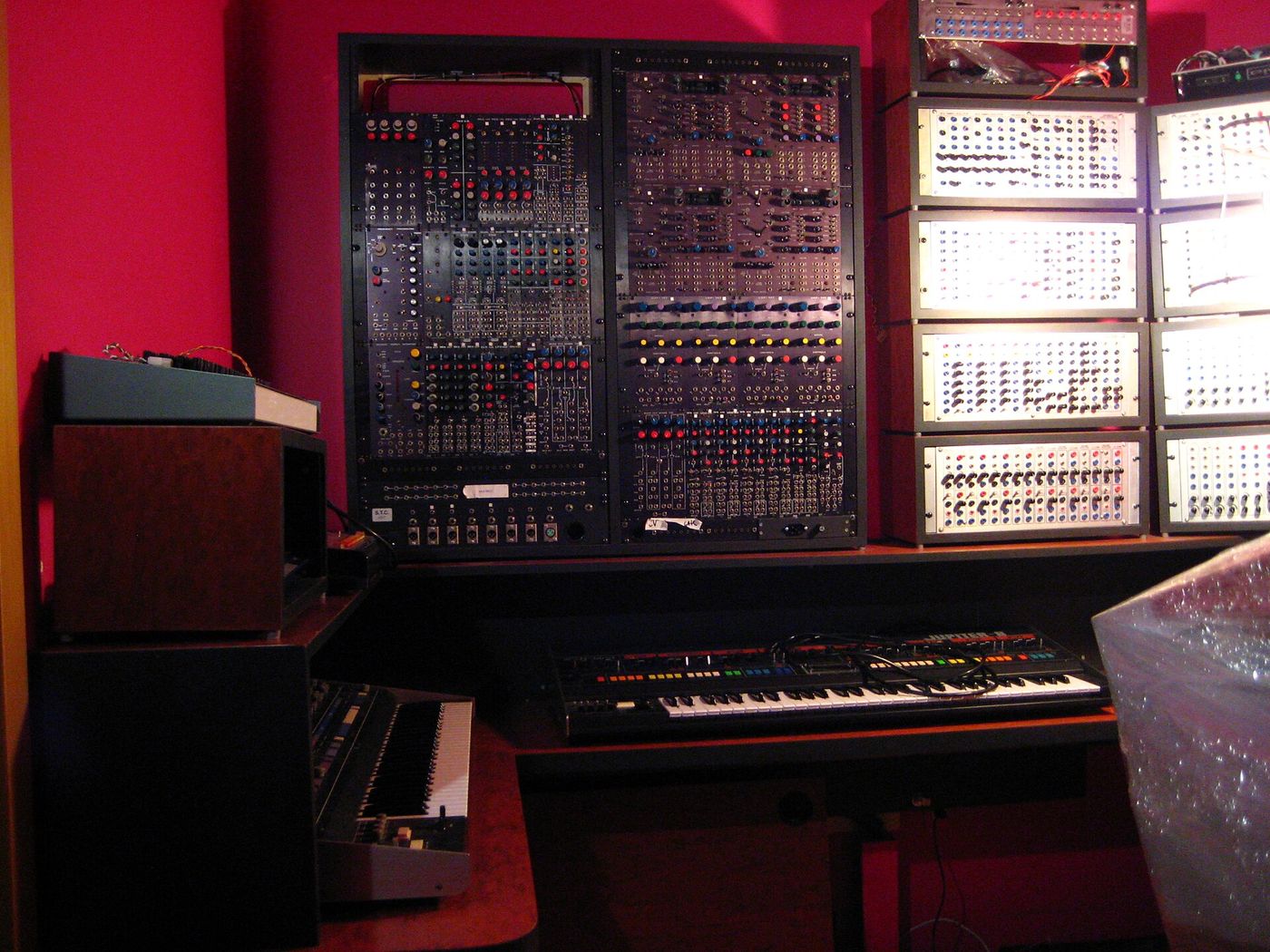
The 1980s are known for their signature sound: bright, bell-like textures, punchy basslines, and lush pads. But where did this sonic palette come from? The most widely documented culprit is the Yamaha DX7, a digital FM synthesizer introduced in 1983. Its sound engine, based on the frequency modulation (FM) principles pioneered by John Chowning at Stanford University, gave the DX7 a unique timbre that quickly became the go-to for struck percussion, electric pianos, and sweeps in pop music.
Yamaha's DX7 revolutionized the global music scene when it launched in 1983, introducing FM synthesis to a mass market for the first time. The DX7 used an FM tone generator, which gave it a sound unlike any analog synth before it. Its 32-voice onboard memory could be expanded to 64 voices with an external ROM, providing the depth and range needed for complex textures and dense layers. Just two years after its release, the DX7 had sold 200,000 units worldwide, according to MixOnline. Yamaha states that the DX-series sold around 420,000 units worldwide.
The DX7's FM sound engine was rooted in John Chowning's pioneering FM theory and synthesis work at Stanford University in the 1960s. Yamaha licensed Chowning's FM technology in the mid-1970s and worked on the DX project for nearly a decade, iterating from the proof-of-concept GS-1 instrument launched in 1981.
But it just scratches the surface of what shaped 80s records.