Type I vs Type II Cassettes
The three types of audio cassettes — Type 1 (normal), Type 2 (chrome) and Type 4 (metal) — are aimed at optimized playback for different characteristics. Their names refer to the tape's…
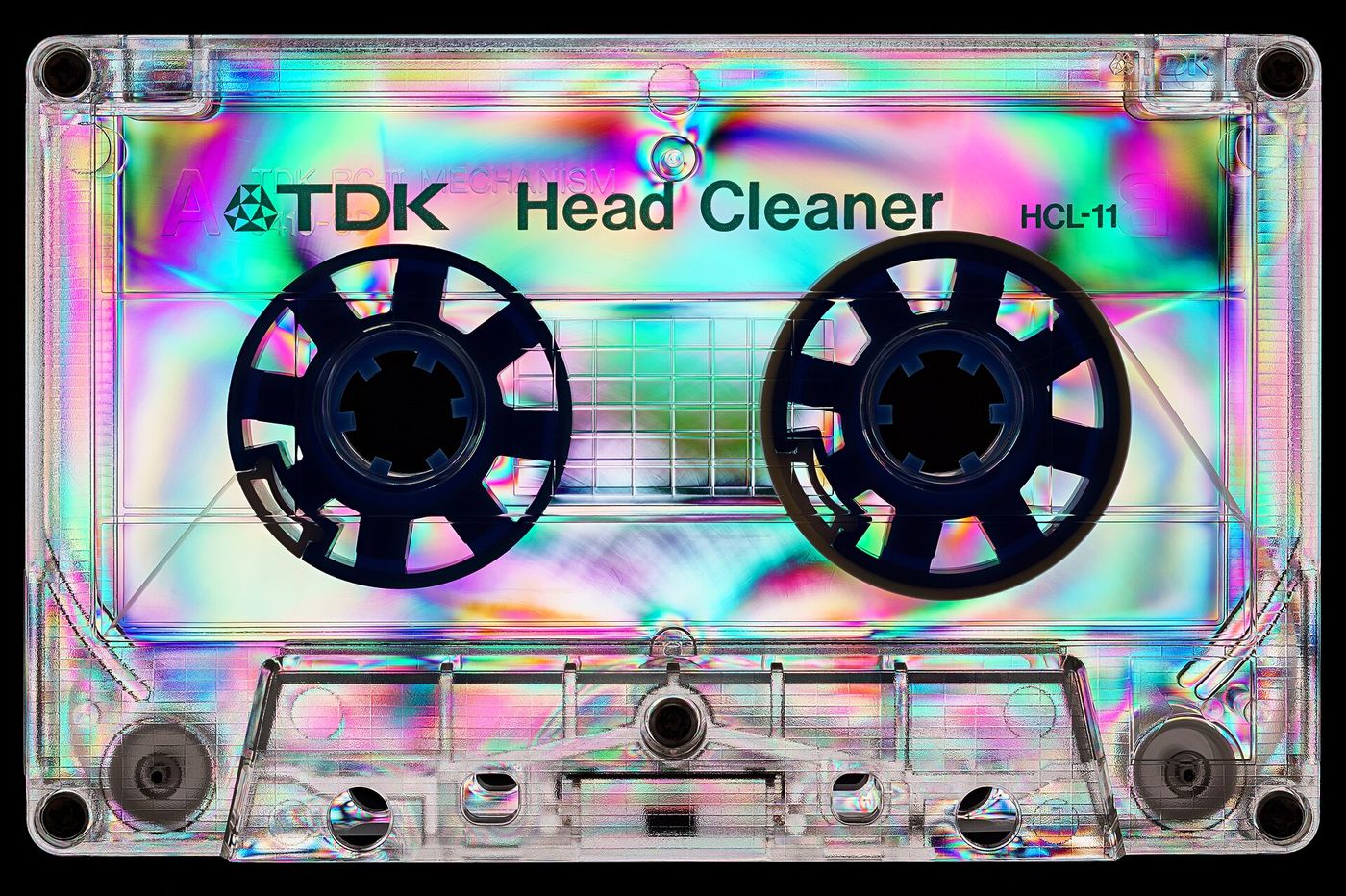
The three types of audio cassettes — Type 1 (normal), Type 2 (chrome) and Type 4 (metal) — are aimed at optimized playback for different characteristics. Their names refer to the tape's composition and the recording bias and playback Equalization Curve that matching decks set automatically. When matched to a compatible deck, different cassette types can yield differing noise levels, high-frequency performance, and headroom for recording.
How Cassette Types Are Defined
The International Electrotechnical Commission standardized cassette tape types in 1979, assigning them IEC IDs: Type 1 (normal), Type 2 (chrome), Type 3, and Type 4 (metal). The core difference between the types is the bias and replay equalization curve optimized by the tape's recipe:
- Type 1 (IEC 1) tapes use 120 µs replay EQ and a lower bias level matched to ferric oxide.
- Type 2 (IEC 2) tapes use 70 µs replay EQ and 150% of the normal Type 1 bias, optimized for chromium dioxide.
- .
Despite different primary sources giving different exact breakdowns, the general pattern for Type 1 vs Type 2 vs Type 4 is clear: Type 1 handles the 120 µs curve and lower bias for standard ferric oxide, while Type 2 and Type 4 use 70 µs replay EQ and increasing bias for higher performance with chrome and metal tapes.
How Decks Recognize the Cassette
To leverage the optimized bias and EQ settings for each cassette type, decks need to know whether they are playing back a Type 1, 2, or 4. Many cassette decks use optical sensors that read the listening-side corners of the cassette case:
- Type 1: no additional notches
- Type 2: an extra pair of notches next to the standard write-protect notches
- Type 4: a third set of notches nearest the center, with write protect/Type 2 notches also present.
Some decks have no auto-detect system, but instead use manual switches for shell type. .
What the Type Changes in Practice
Generally, better results come from using Type 2 or 4 cassettes in decks optimized by manufacturer for those cassette types.
What to Buy for Recording
To benefit from the tape's full ability, write to the cassette's 70 µs and highest bias settings.
What to Avoid Getting Wrong
While the labels "chrome", "metal", and "normal" tapes point to the IEC types, use the IEC metric in practice.
Also, claims like "chrome always being better" or "Type 2 and 4 being interchangeable" are too broad or oversimplifying. The solutions here are specific to a tape formula designed for a certain deck bias and EQ setting.
If Your Deck Has Manual Cassette Type Switches
If your deck uses manual EQ and bias settings instead of cassette auto-detection, choose the switch position that matches the IEC type of your recording or playback cassette. Type 1 uses 120 µs playback EQ and normal bias, while Type 2-4 use 70 µs playback EQ and 1.5x/maximum bias.
When you're recording, most decks at least offer a Type 1 or 2 choice, so you can choose the curve and bias that matches the tape type.